Can AI Make Indian Highways Safer? How NHAI Is Transforming Road Inspections
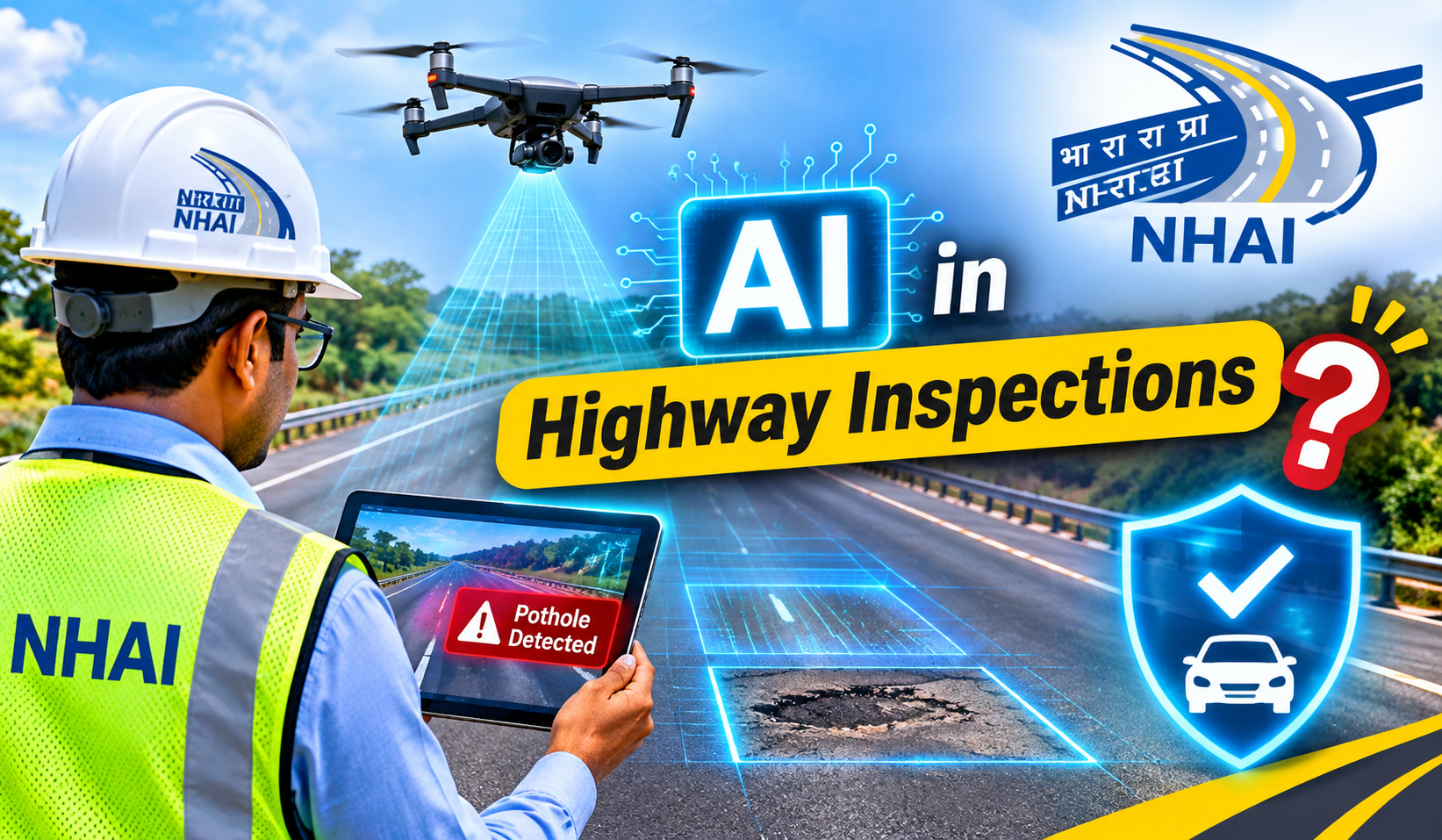
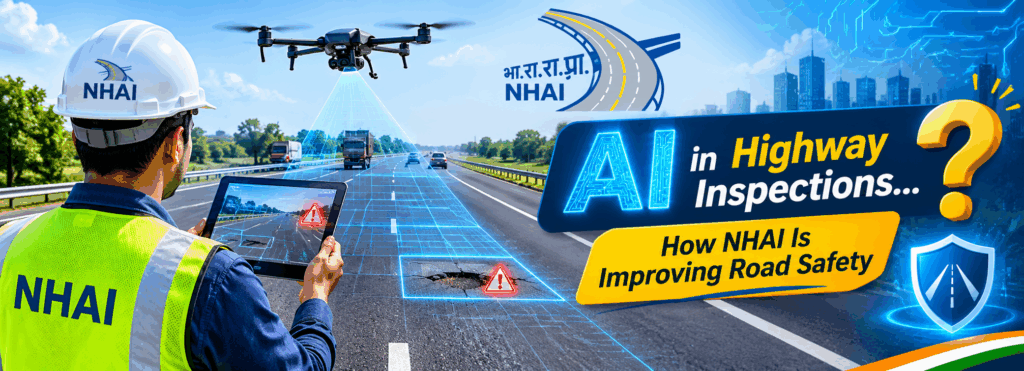
Artificial Intelligence is changing how industries work, and now it is helping improve India’s road infrastructure. From identifying potholes to monitoring damaged road signs, AI-powered technologies are making highway inspections smarter and more efficient.
The National Highways Authority of India (NHAI) is adopting advanced technologies such as Artificial Intelligence (AI), drones, laser scanning and digital monitoring systems to improve road inspections and maintenance. These developments show how technology can support safer roads, better infrastructure management and improved travel experiences.
How Is AI Transforming Highway Inspections in India?
Traditional highway inspections often depend on manual checks and periodic surveys. Inspecting long stretches of roads can take considerable time, especially when authorities need to identify small cracks, potholes or damaged safety equipment.
AI-powered highway monitoring makes this process more efficient. Cameras, sensors and digital tools collect road condition information, while AI systems analyse images and videos to identify possible defects.
Some technologies used in modern highway inspections include:
- AI-powered dashcams
- Network Survey Vehicles (NSV)
- Drone Analytics Monitoring Systems
- Falling Weight Deflectometer (FWD)
- Digital Highway Monitoring System (DHMS)
These technologies help authorities understand road conditions and plan maintenance activities using digital information.
What Technologies Is NHAI Using for Smart Highway Monitoring?
1. AI-Powered Dashcam Monitoring
AI-powered dashcams installed in highway patrol vehicles capture road conditions during regular surveys. AI and Machine Learning analyse the footage to identify defects such as potholes, road cracks, damaged crash barriers, faded road markings and faulty streetlights.
This helps inspection teams identify problems more systematically.
2. Network Survey Vehicles (NSV)
Network Survey Vehicles use advanced cameras, sensors and laser technology to examine highway surfaces. They collect information about road roughness, cracks and pavement conditions. Engineers can use this information to understand road quality and identify sections requiring maintenance.
3. Drone Analytics Monitoring
Drones capture aerial images of highways and surrounding infrastructure. They can support inspections of bridges, flyovers, construction progress and possible encroachments.
This technology makes it easier to monitor large infrastructure areas from different angles.
4. Falling Weight Deflectometer (FWD)
FWD is a specialised testing technology used to evaluate the structural strength of road pavements. It helps engineers identify weaknesses beneath the road surface and plan suitable maintenance or strengthening activities.
How Does Digital Highway Monitoring Improve Road Maintenance?
The Digital Highway Monitoring System helps organise highway inspection information digitally. Authorities can use collected data to identify defects, monitor road conditions and track maintenance activities.
For example, when a pothole or damaged crash barrier is detected, its location can be recorded. Maintenance teams can use this information to plan repairs and monitor corrective action.
This approach supports better coordination, maintenance planning and accountability.
Traditional Highway Inspections vs AI-Powered Monitoring
Feature | Traditional Inspections | AI-Powered Monitoring |
Inspection | Manual checking | Cameras and sensors |
Defect detection | Human observation | AI-based identification |
Data collection | Manual records | Digital information |
Monitoring | Periodic surveys | Regular digital surveys |
Maintenance | Inspection-based | Data-driven planning |
Combining human expertise with AI technology can make highway inspections more effective.
What Are the Benefits of AI in Highway Safety?
AI-powered highway monitoring offers several potential benefits:
- Early defect detection: Helps identify potholes, cracks and damaged infrastructure.
- Better maintenance: Supports timely identification of roads requiring repairs.
- Improved safety: Helps detect damaged barriers, road signs and streetlights.
- Time efficiency: Reduces the effort involved in inspecting large highway networks.
- Better decisions: Provides useful information for maintenance planning.
However, actual road safety improvements depend on timely repairs, proper implementation and continuous monitoring.
Frequently Asked Questions
- How is AI used in highway inspections in India?
AI analyses camera footage and road images to identify potholes, cracks and damaged infrastructure. It helps authorities monitor road conditions and plan maintenance.
- What is the Digital Highway Monitoring System?
DHMS is a digital monitoring approach that helps organise highway inspection information, identify defects and track maintenance activities.
- Can AI detect potholes and road cracks?
Yes. AI-powered camera systems can analyse images and videos to identify visible road defects, helping inspection teams locate areas that need attention.
- How do drones help in highway monitoring?
Drones capture aerial images to support the inspection of bridges, flyovers, construction progress and highway infrastructure.
- Why is AI important for India’s infrastructure?
AI can support smarter monitoring, data-driven maintenance planning and efficient infrastructure management.
Conclusion
Artificial Intelligence is creating new opportunities for India’s highway infrastructure. Through AI-powered cameras, Network Survey Vehicles, drones and digital monitoring systems, NHAI is adopting a more technology-driven approach to road inspections.
These developments demonstrate how AI can solve real-world problems beyond software development and automation. For students and IT professionals, understanding technologies such as AI, Machine Learning and data analytics is valuable for keeping up with changing industry trends.
Can AI-powered road monitoring make Indian highways safer? Share your thoughts and join the conversation.